Kratom Gummies for Pain: Natural Relief with Convenience

kratom gummies for pain
Kratom gummies are convenient, pre-measured chewable supplements infused with kratom extract. They let you ingest kratom’s active alkaloids in a tasty, easy-to-dose form. Most kratom gummies have fruity flavors (like raspberry, orange, or key lime) to mask the bitter taste of raw kratom.
Each gummy typically contains a set dose of mitragynine (often around 30 mg per piece), providing consistent effects. By combining kratom extract with gummy ingredients (such as sugar, pectin, and natural flavorings), these edibles make kratom easy to enjoy on-the-go.
What Is Kratom Used For?
Kratom (Mitragyna speciosa) is a tropical plant whose leaves contain psychoactive alkaloids. In traditional Southeast Asian medicine it was used to increase energy, alleviate pain, and even treat fever or opioid withdrawal. In the U.S., people report using kratom products (including gummies) for pain relief, as well as to improve mood, energy, and focus.
Kratom’s effects are dose-dependent: at low doses it often acts like a stimulant (boosting alertness and sociability), while at higher doses it tends to be sedating and analgesic. Many users take kratom for chronic or acute pain – for example, a Florida health report notes kratom products are “primarily used for acute and chronic pain relief” and to help with anxiety or depression.
Some people also turn to kratom to ease opioid withdrawal symptoms. Although research is ongoing, early studies suggest kratom’s mitragynine compound has opioid-like analgesic effects.
Do Kratom Gummies Help with Pain?
The kratom tree (Mitragyna speciosa) is part of the coffee family. Its leaves contain alkaloids such as mitragynine and 7‑hydroxymitragynine that bind to opioid receptors. Small amounts (1–5 g) behave like stimulants, whereas moderate to high doses (5–15 g) act like sedatives and analgesics.
Because kratom interacts with the body’s opioid system, many people use it to self‑manage pain or opioid withdrawal. In surveys, people in Southeast Asia traditionally chewed kratom leaves or drank it as a tea to combat chronic pain and increase stamina.
Why gummies? Kratom gummies deliver a measured dose of kratom extract in a flavored candy. This avoids the bitter taste of raw powder and makes dosing easier. The same alkaloids are present in gummies; as they are digested, the kratom is absorbed slowly, so effects last longer than those of powders or capsules.
Some users report that kratom gummies help ease chronic pain and reduce opioid cravings, and manufacturers promote them as a “natural” pain‑relief option.
What Type of Kratom Is Best for Pain Relief?
Kratom leaves are marketed in the United States as different “vein” types based on the color of the leaf’s veins (red, green, white). While this distinction is used by vendors, researchers have found little difference in alkaloid content between strains.
Most differences are anecdotal or due to marketing. Nevertheless, user reports and vendor descriptions suggest certain types may be better suited to pain relief.
1. Red Vein Kratom (e.g., Red Bali, Red Maeng Da)
- Profile – Red strains are fermented longer, which some believe increases 7‑hydroxymitragynine content and produces a soothing, sedative effect. Red Maeng Da is often cited as the most potent red variety.
- Pain‑relief reputation – Users report that small doses counter fatigue, while higher doses provide significant pain management and aid sleep. Red Bali is praised for its “profoundly relaxing and analgesic properties” and is used to ease chronic pain or intense stress. Red Maeng Da is valued for relieving significant discomfort without excessive drowsiness
2. Green Vein Kratom (e.g., Green Malay, Green Borneo)
- Profile – Green strains come from younger leaves and offer a balanced mix of subtle energy and gentle relaxation, providing an intermediate experience between red and white types.
- Pain‑relief reputation – Green strains are marketed as being “used to calm and reduce pain”. Some users describe Green Malay or Green Maeng Da as providing mild pain relief while maintaining focus and productivity
3. White Vein Kratom
- Profile – White strains are harvested from young leaves and are predominantly stimulating and energizing, often compared to a strong cup of coffee.
- Pain‑relief reputation – White vein kratom is not typically recommended for pain. Vendors note that white strains are mainly for energy and focus. They may offer mild analgesia but generally lack the sedative properties needed for strong pain relief.
Best Kratom Gummies (Comparison & Top Picks)
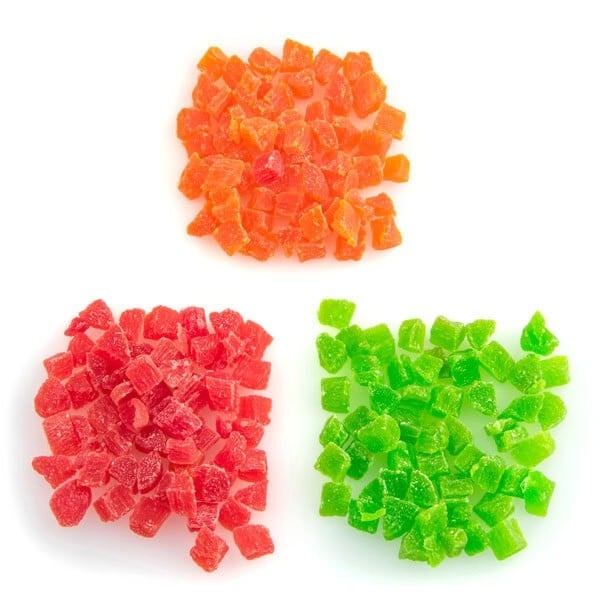
Among these, Kraken Kratom Gummies stand out for quality and balance. Each Kraken gummy contains 30mg of mitragynine and comes in a 7-count resealable jar. They are produced in a GMP-certified facility in Oregon, with third-party lab testing to ensure purity.
The three fruit flavors (raspberry, key lime, orange) effectively mask kratom’s bitterness, making them pleasant to take. Priced at about $21.95 per jar, Kraken gummies offer consistent effects and affordability. Users often praise Kraken’s gummies for their “delicious flavor and reliable effects”, and the brand frequently runs discounts on bulk orders.
Other notable options include Koi Kratom Gummies (50mg per gummy), which are much stronger and aimed at experienced users. Koi’s 50mg gummies come in a 10-count jar of fruity flavors and are valued for boosting mood and focus. K-Tropix Kratom Gummies (25mg each) are sold in lemon-lime flavor packs, and reviewers say they help reduce stress and discomfort.
Kingdom Kratom Gummies are a milder choice (15mg per gummy) available in mixed flavors; their 5-packs ($8.99) or 15-packs ($22.99) provide budget-friendly options. When choosing a gummy product, look for clear dosage labeling, lab testing, and reputable vendors.
Kraken Kratom Gummies – Raspberry flavor: Kraken’s gummies are sold in jars like the one above (10 count) and each gummy contains 30mg of mitragynine. They’re known for good flavor and consistent dosing, manufactured in a GMP facility and lab-tested for quality.
Priced at around $21.95 for a 7-count jar, they provide a cost-effective way to try kratom in a convenient edible form. The brand’s commitment to quality has earned it a strong reputation, and many customers highlight the enjoyable flavor and reliable effects of these gummies.
Kratom Gummies 50mg (High-Potency Gummies)
Some kratom gummy products are much stronger, containing 50mg of mitragynine per gummy. This is a very high dose – for comparison, clinical data suggests that 15mg of mitragynine in a gummy is roughly equivalent to 1.5g of kratom leaf.
By that measure, a 50mg gummy could equate to about 5 grams of kratom powder (a full teaspoon of leaf), so these are intended for experienced users. For example, Koi Kratom’s gummies (10 per jar) each contain 50mg of mitragynine.
They are marketed for their potent mood- and energy-boosting effects. However, novices should be very cautious: such doses can cause strong sedation or side effects. If you try high-potency gummies, start with a partial gummy and wait to see the response.
Kraken’s own gummies are 30mg each, which is moderate; even so, the maker recommends chewing only one gummy at a time, and not exceeding two (60mg total) in 24 hours. Always follow dosage guidelines on the label and do not take more than directed.
Kratom Side Effects and Safety
While many people use kratom gummies for relief, it’s important to be aware of potential risks. Kratom is not approved by the FDA, and health authorities note it can cause a range of side effects
FAQ
Are kratom gummies effective for pain relief?
Many users report that kratom (including gummy forms) helps with pain. Survey data and research reviews note that people commonly use kratom to self-treat pain and opioid withdrawal. Kratom’s alkaloids interact with pain pathways, giving it analgesic potential.
However, scientific studies are limited. If trying gummies for pain, choose a tested product and start with a low dose to see if it works for you.
What are the common side effects of kratom gummies?
Side effects of kratom gummies mirror those of other kratom products. They can include nausea, constipation, dizziness, drowsiness, headache, and dry mouth. High doses might cause anxiety, irritability, increased heart rate, or even hallucinations.
There is also risk of liver damage or addiction with long-term use. Always use caution: start with the smallest effective amount and don’t mix kratom with alcohol or other drugs.
How many kratom gummies should I take?
Dosage depends on potency and individual tolerance. A good rule is to start very low: try a half-gummy or one gummy and wait several hours. For example, Kraken’s label advises chewing one gummy, and not exceeding two in 24 hours.
Each gummy has a fixed kratom dose (e.g. 30mg in Kraken’s). Avoid taking multiple gummies at once, especially when starting out.
Are kratom gummies legal and regulated?
Kratom is legal at the federal level in the U.S., but some states (like Alabama, Arkansas, Indiana, Vermont, Wisconsin, Rhode Island and others) have banned it. Kratom is not FDA-approved or regulated as a drug. This means products can vary in quality. When buying kratom gummies, choose vendors that provide third-party lab test results for potency and purity.
Why choose Kraken Kratom Gummies?
Kraken Kratom is a well-known brand with a focus on quality. Their gummies offer a balanced dose of kratom extract (30mg each) and come in tasty natural flavors. They are made in a GMP-certified facility and undergo lab testing.
For someone looking to try kratom gummies, Kraken is a reliable option with transparent sourcing. (Check current prices and discounts on Kraken Kratom’s official site.)